A lot of people only think about a spare key after the awkward moment – one key, one driver, one bad morning, and suddenly the whole day is off course. Spare car key cutting is one of those jobs that feels optional until it very much is not.
If you have only one working key, you are always one lost key, flat battery, damaged blade or failed remote away from a bigger problem. Getting a second key sorted while the original still works is usually quicker, simpler and cheaper than dealing with an all-keys-lost situation later.
Why spare car key cutting matters more on modern vehicles
Years ago, cutting a spare key was often just a case of copying the metal blade. On many modern cars and vans, that is only part of the job. The key may also need a transponder chip programmed to the immobiliser, and if it is a remote or proximity key, the locking functions may need coding as well.
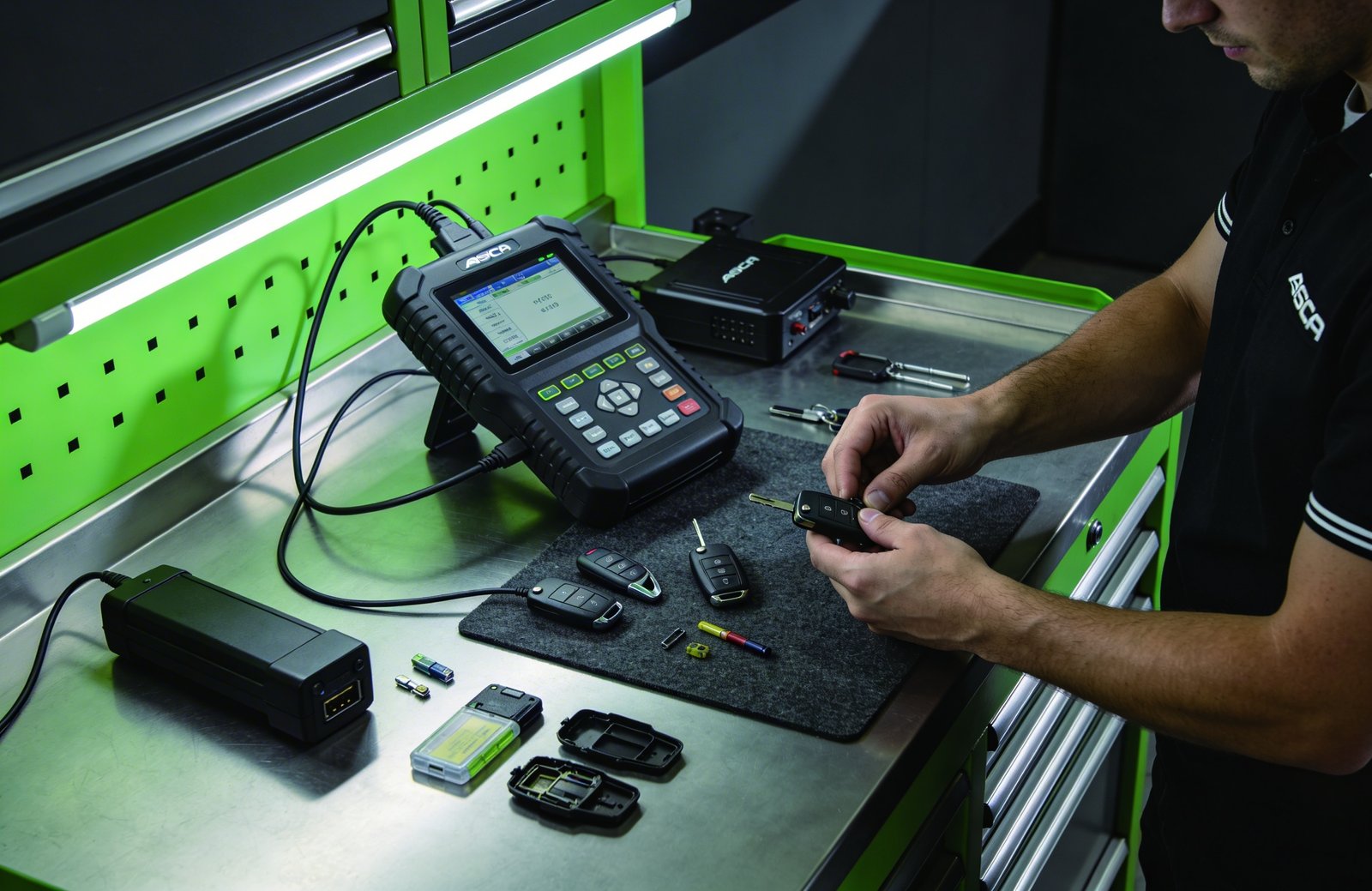
That is why two keys that look identical can involve very different work behind the scenes. A basic manual key for an older vehicle is straightforward. A flip key, smart key or keyless fob on a newer vehicle can involve specialist diagnostic equipment, secure programming procedures and the right key data for that exact model.
For most drivers, the practical point is simple. If your vehicle starts and runs with a chipped or remote key, spare car key cutting is rarely just about the cut itself.
What happens during spare car key cutting
The process depends on the vehicle, but it usually starts with identifying the correct key type. That means checking the make, model, year and, in some cases, the exact system fitted to the vehicle. Two cars from the same manufacturer can use different key platforms depending on trim level or production date.
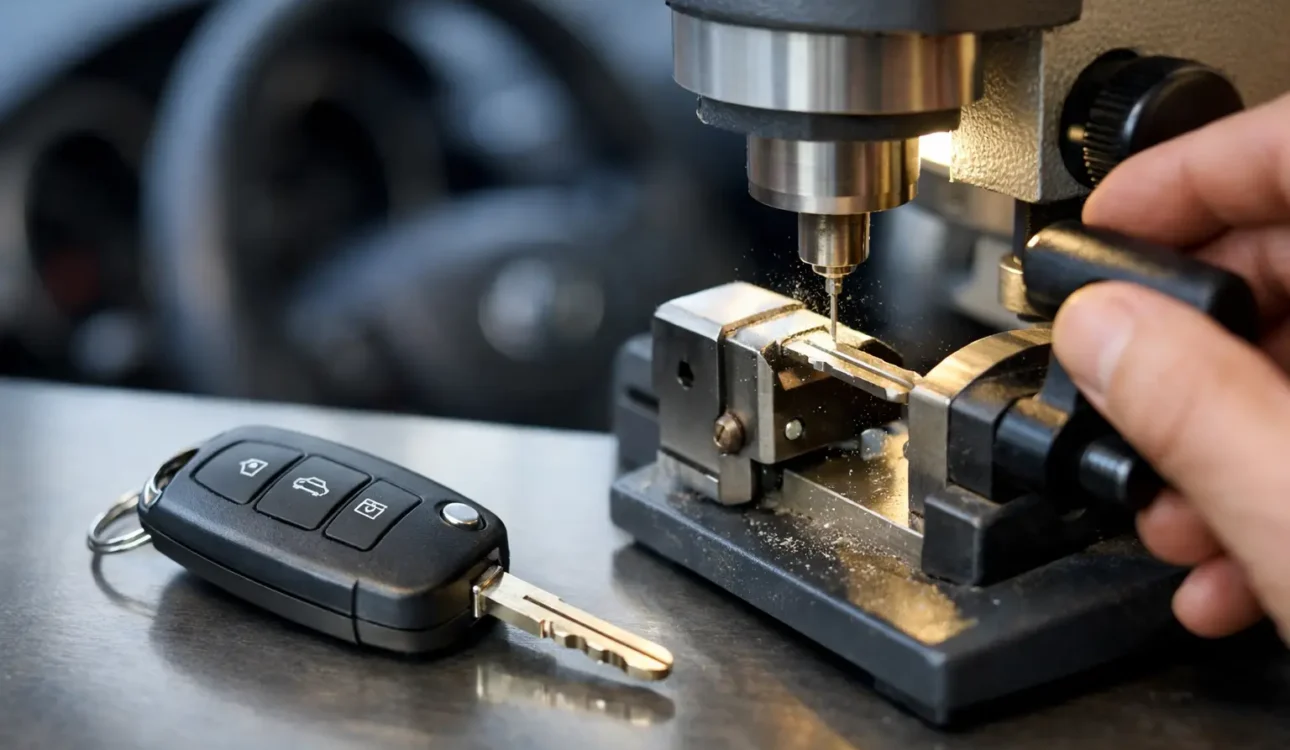
Once the right key is matched, the blade is cut to suit your lock. On a standard key, that may be most of the job done. On an immobiliser key, the transponder then has to be programmed so the car recognises it as authorised. If the key has remote buttons, those functions may also need to be synchronised.
On some vehicles, programming is straightforward if one working key is present. On others, security access, specialist tools or bench work may be required. That is one reason prices vary, and why a proper quote usually starts with accurate vehicle details rather than guesswork.
Spare car key cutting at a dealer or with a mobile auto locksmith
There is no one-size-fits-all answer here. Main dealers can be the right route for some vehicles, especially very new models with tightly controlled key supply. But they are not always the quickest or most cost-effective option, particularly if the vehicle has to be transported or booked in days ahead.
A specialist mobile auto locksmith can often supply, cut and programme a spare key at your location. That saves time, avoids recovery costs and makes life easier if the vehicle is at home, at work or off the road. For many customers, convenience is a big part of the value. You do not need to arrange lifts, sit in a waiting area or lose half a day for a job that can often be done on-site.
The trade-off is that capability matters. Modern vehicles are not all equal, and the person turning up needs the right equipment and experience for that specific make and system. That is especially true with BMW, VAG vehicles and cars with more advanced electronic issues tied into the key system.
When a cheap spare key becomes a false economy
Everyone likes to save money, but keys are one of those areas where the cheapest route can cost more later. A poor-quality shell, unreliable remote board or incorrectly programmed transponder can leave you with a key that works intermittently – or stops working when you most need it.
There is also a difference between a key that physically turns in the lock and a key that is correctly prepared for the vehicle. If the transponder data is wrong, the immobiliser may block starting. If the remote is poor quality, locking range and reliability can be poor. If the blade is badly cut, it can wear locks over time.
That does not mean every spare key has to be expensive. It does mean it should be done properly, with the correct parts and the correct programming process.
Which vehicles are easiest – and which are not
Older cars with simple transponder systems are usually the most straightforward. Many family hatchbacks, small vans and earlier remote flip keys can be duplicated with relatively little fuss when a working key is available.
The job gets more involved with smart keys, proximity systems and some premium brands. BMW, Mercedes, Audi, Volkswagen group vehicles and certain vans often need a more specialist approach. In some cases, key generation and programming tie into security data stored in the vehicle. If there is an existing fault with a module, antenna, steering lock or immobiliser system, that may need dealing with before the new spare key can be completed properly.
This is where experience matters. A key problem is not always just a key problem. Sometimes the fault sits in the car itself.
What you usually need before booking
If you are arranging spare car key cutting, it helps to have the registration, make, model and year ready. A photo of the working key can also be useful, especially for identifying the style of blade and remote. If the key has already become unreliable, say so at the start. That can point to a weak battery, a failing remote board or a deeper issue with the vehicle’s key system.
You should also expect to show proof that the vehicle is yours or that you are authorised to have work done. Any legitimate locksmith will take that seriously. It protects the trade and it protects customers as well.
Is it worth getting a spare if your only key still works fine?
Yes, in most cases it is. In fact, that is the best time to do it. When you still have a working key, the job is often faster and less expensive. If you wait until the last key is lost, broken or locked inside the vehicle, the process usually becomes more complicated.
There is also less pressure when it is planned. You can compare options, choose a convenient appointment and avoid making a rushed decision in the middle of an emergency. For households with shared vehicles, teenage drivers, company vans or staff cars, having a spare key available is not just convenient – it keeps the day moving.
Spare car key cutting for vans and trade vehicles
For van owners and trade customers, downtime costs money. One missing or damaged key can stop a driver, delay a job and cause a headache across the rest of the schedule. That is why many businesses now sort spare keys before there is a problem rather than after.
Mobile service is especially useful here. If a van is parked at a site, at home or in a workshop, having the key cut and programmed on location saves time and keeps disruption down. For fleet managers, garages and body shops, working with a specialist who understands both keys and vehicle electronics can also help when the problem turns out to involve modules, steering locks or coding rather than the key alone.
That wider technical capability is often the difference between a quick fix and a vehicle that ends up passed from one place to another.
How long does spare car key cutting take?
It depends on the vehicle and the key type. Some jobs can be completed fairly quickly when the correct key is in stock and one working key is present. Others take longer because the vehicle requires more involved programming or security access.
The sensible approach is to treat timing the same way as price – it depends on what the car actually needs. If someone promises every key for every vehicle in the same timeframe, they are probably oversimplifying the job.
Choosing the right help
If you are comparing providers, look for clear communication, proper vehicle knowledge and realistic answers. A good specialist will ask the right questions before quoting, explain whether the job includes cutting and programming, and be honest if your vehicle needs a more involved approach.
For drivers and trade customers in County Durham, a mobile specialist such as Key Crafters can often save the usual dealer hassle while still handling the technical side properly. That matters when the key is tied into immobiliser systems, remotes or wider vehicle electronics rather than just the lock barrel.
A spare key is easy to put off because nothing feels urgent yet. But if you only have one working key, that small job is usually the cheapest chance you will get to avoid a much bigger one later.