You usually find out you need a car key programming service at the worst possible moment – when the spare key will not start the car, the replacement fob arrives blank, or the only working key has gone missing. At that point, what matters is not jargon. You want to know whether the key can be made to work, how long it will take, and whether you are about to be hit with a main dealer bill.
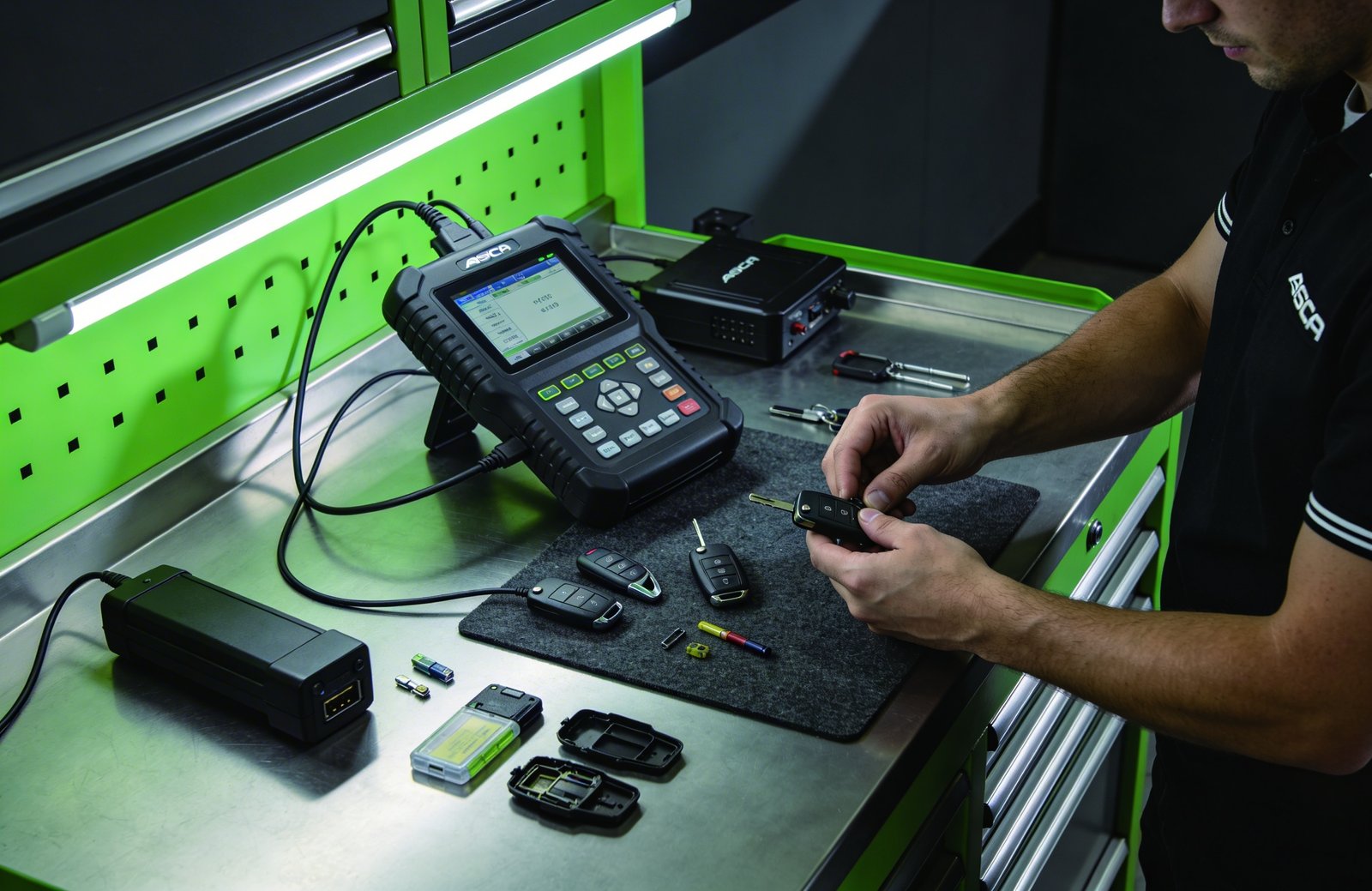
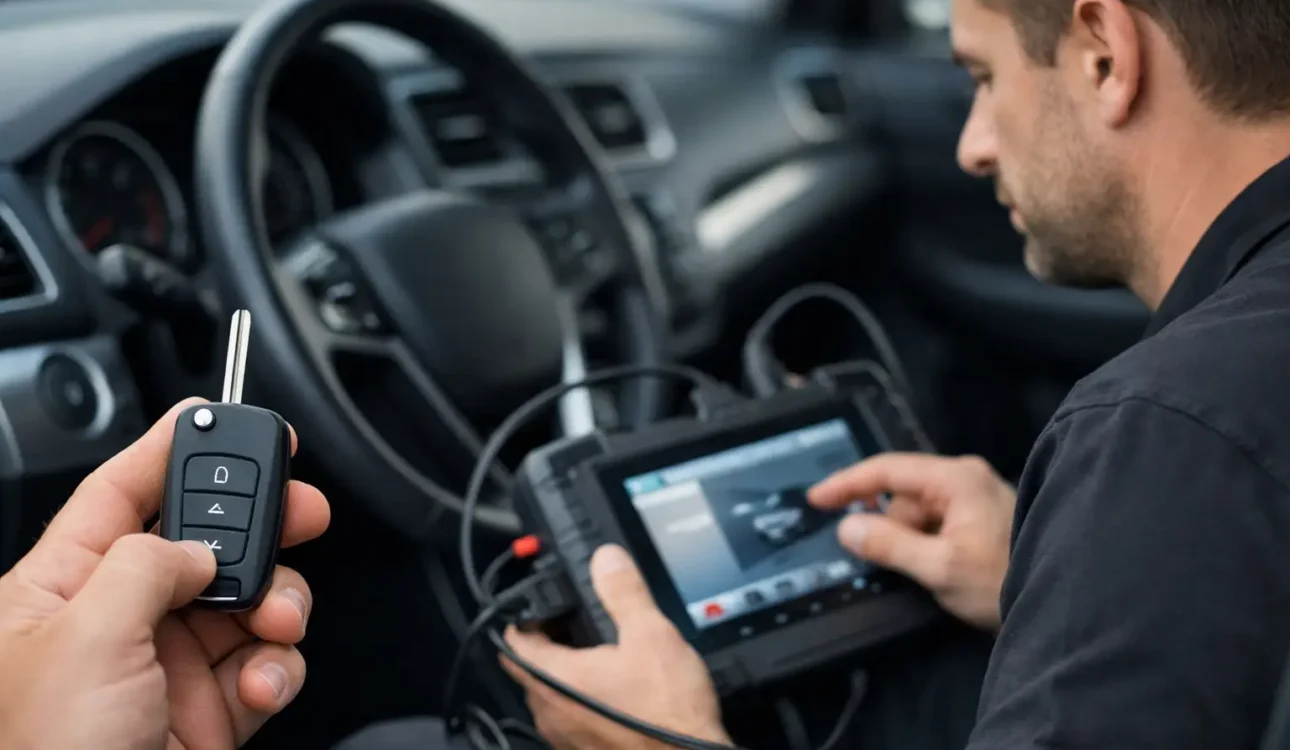
Programming a car key is the process of matching a key or remote to the vehicle’s immobiliser and, in many cases, its remote locking system too. Modern keys are not just bits of cut metal. They contain a transponder chip, and often remote electronics, that have to be recognised by the vehicle before it will start. If the coding is wrong, the blade may turn in the ignition or the keyless fob may power up, but the engine still will not run.
What a car key programming service actually includes
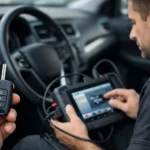
A proper car key programming service is more than plugging in a machine and pressing a button. The first job is confirming exactly what the vehicle needs. Some cars only require a transponder to be programmed. Others need remote locking paired as well. On newer vehicles, the process can involve secure gateway access, PIN retrieval, EEPROM work, or bench programming if the vehicle will not communicate normally.
That is why two cars with what looks like the same problem can be very different jobs. A lost key for an older van may be straightforward. An all-keys-lost situation on a newer BMW, Volkswagen or Mercedes can need specialist diagnostics, key data preparation and, sometimes, module-level work if there is an underlying fault.
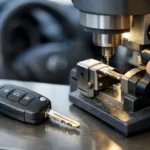
For the customer, the practical side is simpler. A good service should identify the right key type, cut it correctly, programme it to the vehicle, test all functions, and make sure any non-working or lost keys are dealt with where possible. If a key is reported as missing, deleting it from the system can matter just as much as adding the replacement.
When you need a car key programming service
The obvious time is after losing a key, but that is only one scenario. Plenty of people call because they bought a spare online that will not pair, or because their only key still opens the doors but no longer starts the vehicle. Trade customers often need programming after replacing modules, fitting used parts, repairing accident damage or sorting out electrical faults.
It can also be needed when there is no full key loss at all. If the remote stops responding, the issue may be the fob, the vehicle receiver, or a synchronisation problem. If the immobiliser warning appears, that points more towards transponder recognition. These details matter because not every key problem is solved by programming alone.
That is one of the biggest misunderstandings in this area. People hear the word programming and assume every non-working key just needs coding. Sometimes it does. Sometimes the battery is flat, the key is damaged, the blade is cut wrongly, or the car itself has a fault in the antenna, body module or steering lock system. A decent technician will tell you the difference rather than coding a key that was never going to work.
Why mobile key programming makes sense
If your car will not start, getting it to a dealer or workshop is often the hardest part of the job. That is where a mobile specialist makes life easier. The work can be carried out at your home, workplace or roadside location, which saves the cost and hassle of recovery before any repair even begins.
For van owners, tradespeople and families, that convenience is not just a nice extra. It can be the reason the problem gets solved the same day instead of turning into a week of transport headaches. For trade customers, mobile support can also mean less disruption in the workshop. If a vehicle is stuck because of a key or module issue, getting specialist help to site keeps jobs moving.
There is also a cost angle. Main dealers often follow the replacement route – new key, new module if required, and the labour that comes with it. A specialist auto locksmith or vehicle electronics service can often offer a more sensible option, especially where cloning, repair or recovery is possible.
Dealer versus specialist – what is the real difference?
Dealers have access to manufacturer systems, and in some cases that is the right route. But it is not always the quickest or most cost-effective one. They may require the vehicle to be brought in, ask for long lead times, or only offer complete replacement of parts that an independent specialist can test, repair or clone.
A specialist service usually offers more flexibility. That can include spare keys cut and programmed on site, all-keys-lost recovery, used module setup, and diagnosis of faults that sit around the key system rather than in the key itself. The trade-off is that capability varies. Not every locksmith has the equipment, experience or security compliance to handle modern systems properly.
That is where asking the right questions matters. Can they deal with your make and model? Can they handle all-keys-lost work? Do they programme remotes as well as transponders? Can they diagnose immobiliser faults if programming fails? Those answers tell you more than a cheap quote ever will.
Not all vehicles are equal
Some makes are known for being more involved than others. BMW and VAG vehicles, for example, often need a deeper level of knowledge when keys and related modules are involved. Mercedes can bring its own complications, particularly where steering lock faults or electronic ignition issues are part of the picture.
That does not mean the job is impossible. It means the service needs to be matched to the vehicle. If the immobiliser, BCM, BSI, ECU or steering lock has a fault, key programming may be only part of the repair. In those cases, experience with vehicle electronics becomes just as important as key cutting equipment.
This is also why used parts can be a grey area. On some vehicles, a used module can be cloned, reset or adapted successfully. On others, replacement with the wrong part number or without proper data transfer creates more problems than it solves. The best approach depends on the exact system fitted to the vehicle.
What you should expect before the work starts
A reliable provider should ask sensible questions first. They will want the registration, make, model, year, and a clear description of the fault. They may ask whether any keys still work, whether the car starts at all, and whether parts have already been replaced. This is not box-ticking. It helps avoid turning up with the wrong key profile or underestimating the job.
Proof of ownership matters too. Legitimate key programming is a security-sensitive service, so expect checks. That protects both the customer and the technician.
Once on site, proper testing should come before assumptions. If a key is dead because of water damage or internal failure, replacing and programming it may be the answer. If the vehicle is not seeing any key at all because the antenna ring or body module has failed, that needs a different fix. Good service is about solving the right problem, not just supplying a part.
A spare key is cheaper than an emergency
If you still have one working key, that is usually the best time to sort a spare. Programming an additional key while one valid key is available is often quicker, simpler and less expensive than dealing with a complete key loss later on.
People tend to put this off until they need it, which is understandable. But once the last key is gone, the job becomes more involved. Depending on the vehicle, all-keys-lost work can mean extra labour, extra security steps and a narrower set of options. For businesses running vans, that downtime can cost more than the key itself.
Choosing the right car key programming service
The right service is not only about price. It is about whether the provider can actually support the vehicle in front of them, especially if the fault turns out to go beyond the key. Mobile coverage, specialist diagnostics, module knowledge and a straightforward way of explaining the job all count.
For drivers and trade customers in County Durham, that practical mix matters more than polished sales talk. A service such as Key Crafters is built around that reality – mobile help, proper diagnostics, key replacement and programming, and the deeper electronics work that modern vehicles sometimes need alongside it.
If your key has stopped working, your spare has never been sorted, or the vehicle is immobilised and going nowhere, the next step is not to guess. Get it checked properly. A good diagnosis at the start usually saves time, money and a lot of avoidable stress later.