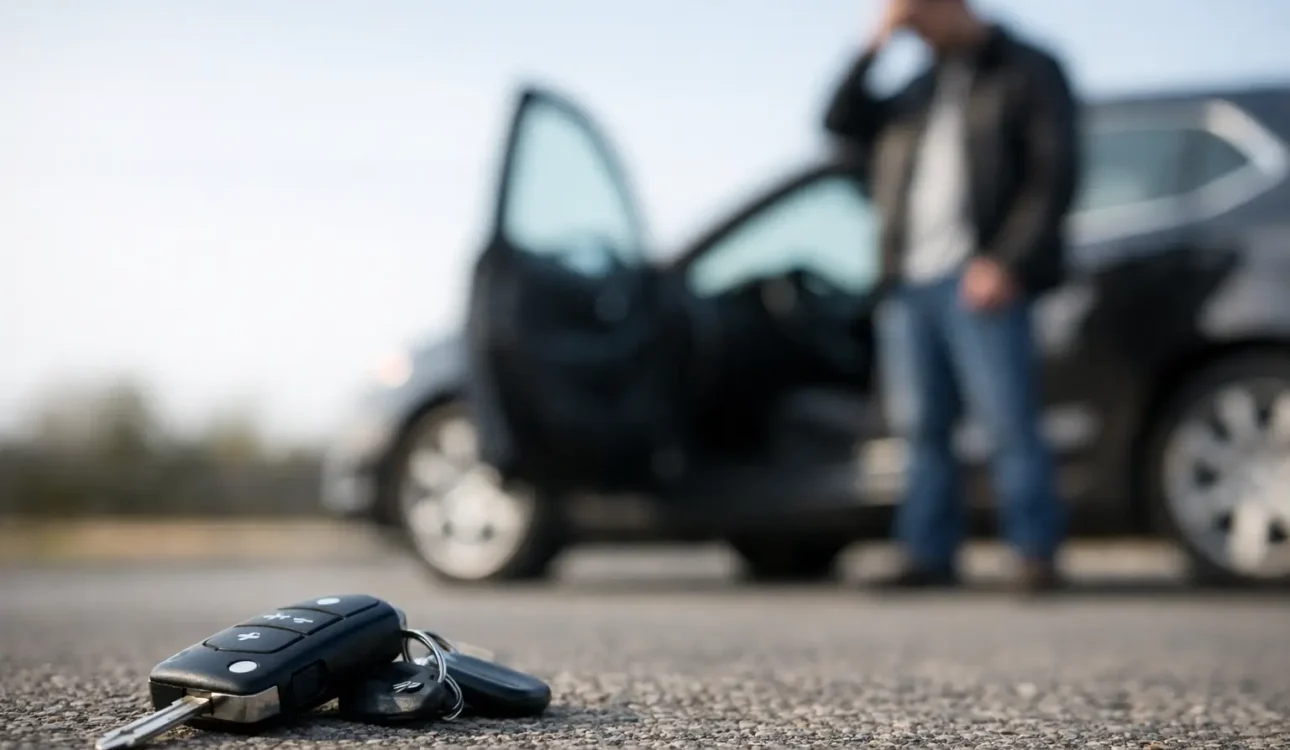
Losing your only car key rarely happens at a convenient time. You notice it when you are already late for work, loading the kids in, or trying to get a van out for a job. If you are dealing with an all keys lost car situation, the good news is that it is usually fixable at your location, and often without the cost and delay people expect.
What matters most is the type of vehicle, the security system fitted to it, and whether the job needs straightforward key programming or deeper electronic work. That is why some cars can be sorted quickly on the driveway, while others need module access, EEPROM work, or fault diagnosis before a new key will start the vehicle.
All keys lost car – what actually needs to happen
When every key is missing, the job is different from simply cutting a spare. There is no working key to copy, no transponder to clone from, and in many cases no easy way to switch the ignition on and teach in a replacement through basic programming.
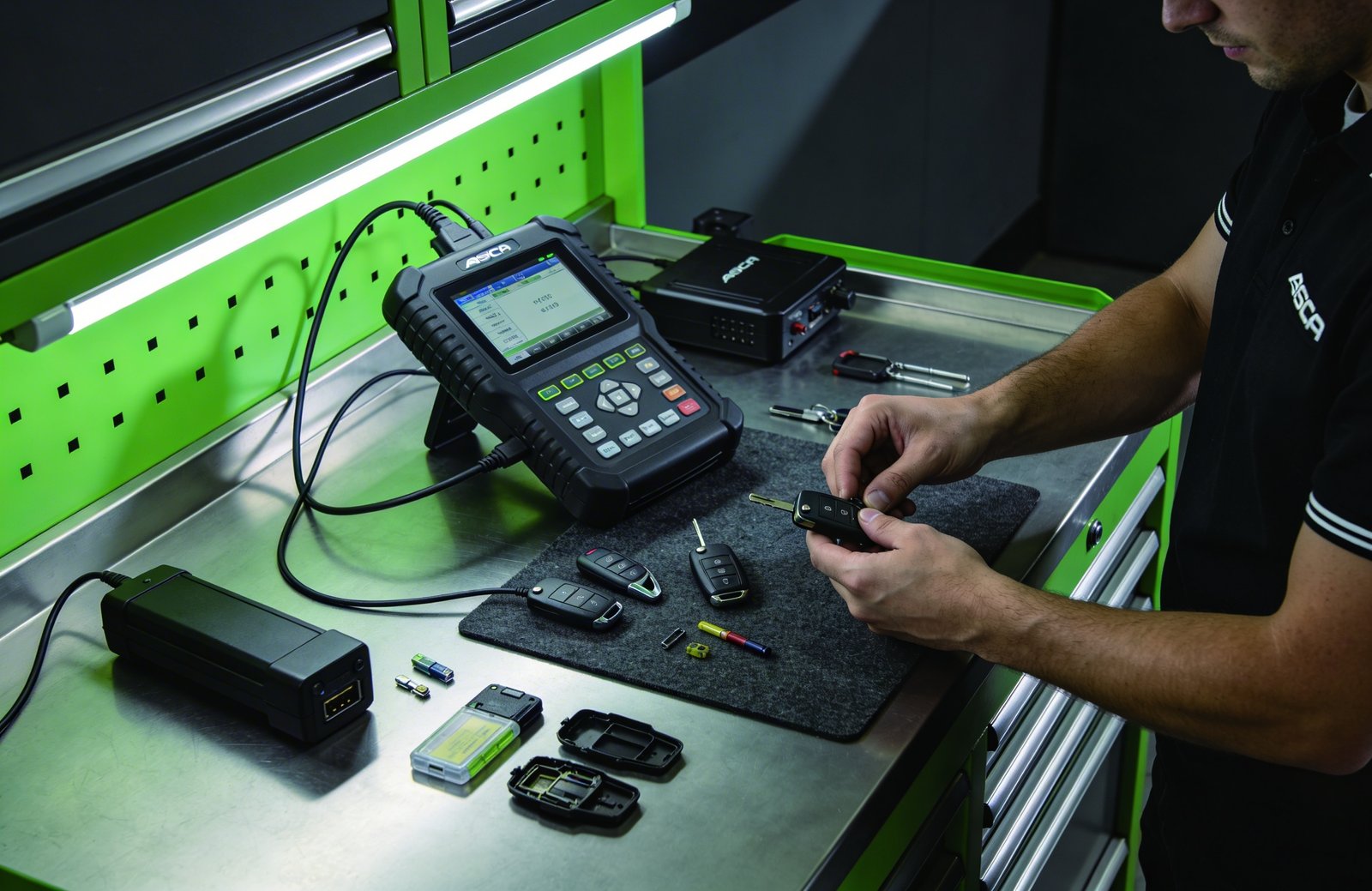
A proper all-keys-lost recovery normally starts with identifying the exact vehicle and immobiliser system. The locksmith then needs to gain access, decode or cut the mechanical key, prepare the correct remote or transponder, and programme the vehicle so the new key is recognised. On some models, that is a routine mobile job. On others, the security data has to be read directly from a module such as the BCM, BSI, instrument cluster, CAS, FEM or ECU.
This is the part many drivers never see. To them, it looks like a key problem. In reality, modern vehicle security often turns it into a key-and-electronics problem.
Why the price can vary so much
People often ask for a flat price over the phone, which is understandable. But with all keys lost, cost depends on more than make and model.
A basic older vehicle with a simple transponder system is usually quicker and cheaper than a newer push-button-start car with encrypted programming. A Ford van used by a local tradesperson, for example, may be a very different job from a BMW or a VAG vehicle with advanced anti-theft systems. Some cars allow key programming through the diagnostic port. Others may need bench work, module removal, or repair if a known fault is stopping key learning.
That is also why dealer prices can be high. Main dealers often replace parts as a route to a solution. In many cases, a specialist automotive locksmith or vehicle electronics engineer can repair, clone or programme what is already there and avoid unnecessary replacement.
Can a mobile auto locksmith fix it on site?
Very often, yes. That is one of the biggest advantages of using a mobile specialist. If the vehicle is stuck at home, at work, or on a customer site, you do not have the extra cost and hassle of arranging transport to a dealer or workshop before anyone can even start.
For many vehicles, a mobile setup can cover the whole job on site – entry, key cutting, programming, remote setup and testing. Where things become less straightforward is when there is an underlying module issue, previous failed programming attempts, water damage, steering lock faults, or an immobiliser fault already present on the vehicle.
That does not mean the job cannot be done. It means the right equipment and knowledge matter. There is a big difference between someone who can programme a spare key when one working key is available and someone who can recover an all-keys-lost vehicle with security faults or module problems.
What to do first when all keys are lost
Start with the obvious, but do it quickly. Check whether the key has genuinely gone, or whether it may be locked in the vehicle, left at home, dropped at work, or taken accidentally with another set of keys. If there is any chance it is inside the car or van, mention that when you call. A lockout and a lost-key job are priced and handled differently.
Next, have the registration and exact model details ready. The year matters too, especially on vehicles that changed immobiliser systems part-way through a production run. If you know whether the car uses a standard blade key, flip key, proximity key or push-button start, that helps narrow things down.
Proof of ownership is important. A reputable specialist will need to know they are working on the right vehicle for the right person. If the documents are locked inside, say so. That can usually be managed, but it should be part of the conversation from the start.
All keys lost car jobs on newer vehicles
Newer cars are safer than old ones, but they are not simpler. The key may contain a transponder, remote locking functions and proximity features all in one unit. The car may also rely on encrypted communication between several modules before it allows ignition.
On some vehicles, especially certain BMW, Mercedes and VAG models, key replacement can overlap with known electronic faults. A failed steering lock, footwell module issue, corrupt crash data, BCM problem or damaged ECU data can stop a replacement key from behaving as it should. If that happens, the answer is not to keep trying random keys. The vehicle needs proper diagnosis.
This is where specialist capability makes a real difference. If the person attending can handle both key programming and module-level work, the process is usually faster and far more cost-effective than bouncing the job between different providers.
Dealer or specialist – which makes more sense?
It depends on the vehicle, the urgency, and what has gone wrong.
A dealer may be the right route for very new vehicles under warranty, or where the manufacturer has tightly restricted programming access. But for many cars and vans, especially once they are out of warranty, a specialist offers practical advantages. Mobile attendance, lower labour overheads, faster turnaround and the ability to repair or clone electronic units can make a big difference.
There is also the issue of downtime. If your van earns money, every day off the road costs you more than the key itself. The same applies to garages and body shops with customer vehicles stuck on site. Waiting a week or two for dealer processes, parts ordering and workshop space is not always realistic.
What trade customers should know
Garages, dealers and body shops often see all-keys-lost jobs land in the middle of other repair work. A vehicle may arrive after accident damage, module replacement, or body repairs with no usable key available. Sometimes the original fault has already spread into security issues because the battery has gone flat, modules have been replaced, or coding history is unclear.
In those cases, key replacement is only part of the picture. The job may need module cloning, immobiliser data recovery, crash data reset or steering lock repair before the vehicle can be handed back. Working with a specialist who understands both sides of the problem helps avoid wasted time, repeat visits and guesswork.
How long does it take?
Simple all-keys-lost jobs can sometimes be completed the same day. More complex vehicles may take longer, particularly if specialist parts are needed or there is an existing fault in the immobiliser or control modules.
The honest answer is that speed depends on access to the right key, the security platform on the vehicle, and whether the electronics are healthy. If anyone promises every all-keys-lost car job in exactly the same timeframe, be cautious. Good work starts with identifying the system properly and doing the job once.
Choosing the right help
If you are comparing providers, ask whether they handle all-keys-lost work specifically, not just spare keys and lockouts. Ask whether they can programme at the vehicle, whether they cover immobiliser faults, and what happens if the car has a module issue rather than a key issue.
That matters because not every locksmith covers advanced vehicle electronics. Some do basic key work only. Others, including specialists such as Key Crafters, can deal with the wider picture when a lost-key job turns into an immobiliser, BCM, BSI or ECU problem.
When every key has disappeared, you do not need jargon or sales talk. You need a straight answer on whether the vehicle can be recovered, what the likely route is, and what it will cost before work starts.
If you are stuck with no key at all, the main thing is not to assume the worst. Most vehicles can be sorted, and many can be done at your location without the expense of the dealer route. The quickest way forward is a proper assessment by someone who handles these jobs every week and knows when it is a key problem, an electronic problem, or a bit of both.