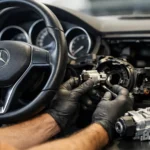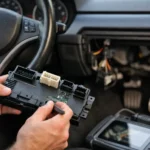
When a BMW suddenly loses power to the windows, lights start behaving oddly, or the indicators stop responding properly, the footwell module is often the culprit. BMW footwell module repair is usually the sensible first step, because replacing the unit outright can be far more expensive and may not be necessary if the original module can be recovered.
For most owners, the problem shows up without much warning. One day the electric windows work, the next they do not. Headlights may stay on, fail to switch correctly, or throw faults that do not quite add up. Central locking, mirrors and interior lighting can also be affected. It is frustrating, especially when the rest of the car seems fine.
What the BMW footwell module actually does
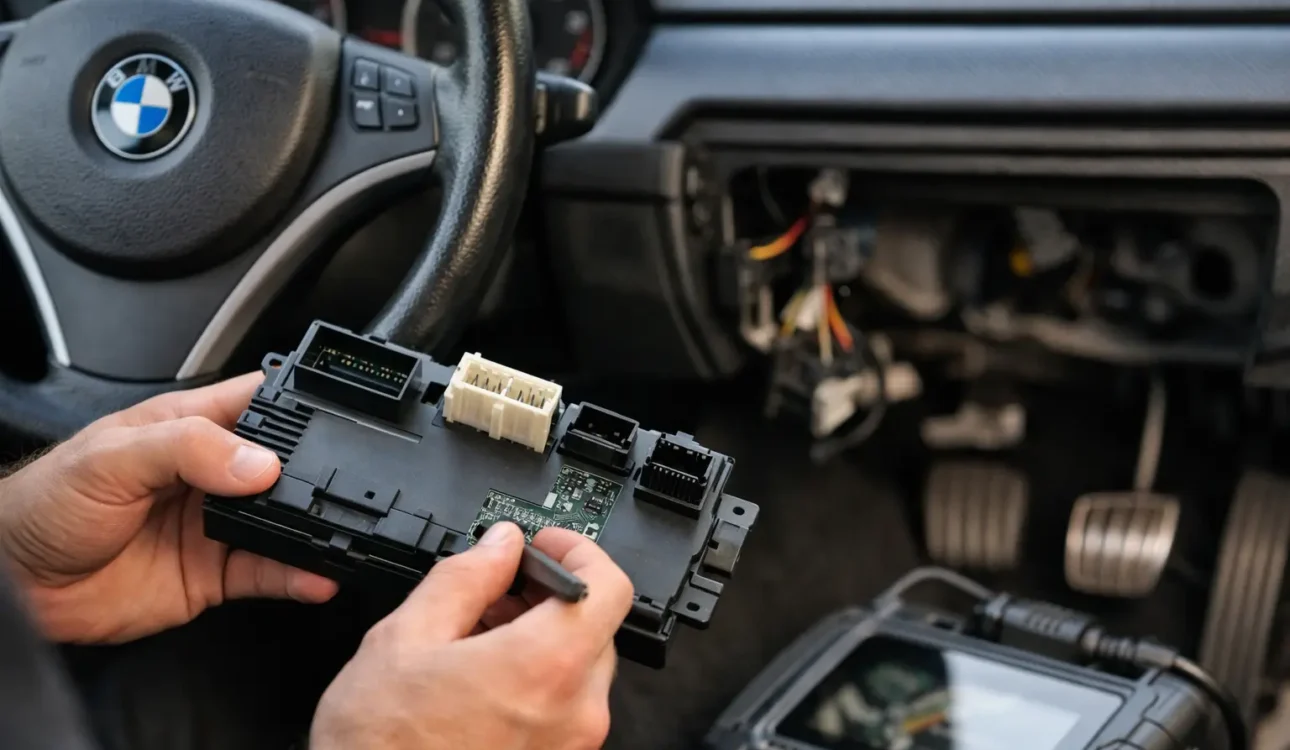
The footwell module, often called the FRM, controls a range of body functions on many BMW models. Depending on the vehicle and the version fitted, it can manage exterior lighting, interior lighting, electric windows, mirrors, indicators and parts of the central locking system.
It acts as a control hub rather than a simple relay box. That matters because when it develops a fault, the symptoms can look random. Owners sometimes think they have separate faults in the lighting system, a window motor issue and a switch problem, when all three are linked back to one module.
This is also why proper testing matters. Swapping parts on guesswork gets expensive quickly, and it often wastes time.
Common signs you may need BMW footwell module repair
A failed or corrupted FRM can present in several ways. The most common signs are electric windows not working, one or more lights failing, indicators playing up, mirrors not responding, or faults appearing after a flat battery or jump start.
Another common clue is that the car has no obvious wiring damage, the fuses check out, but several convenience features stop working together. That pattern points away from a simple blown fuse and towards module trouble.
In some cases, the vehicle may still drive perfectly well. That can tempt owners to put the issue off. The problem is that faulty lighting and window operation are not just inconvenient. They can affect safety, security and MOT readiness.
Why FRM faults happen
Battery voltage problems are one of the biggest triggers. A weak battery, complete discharge, incorrect jump starting or unstable voltage during diagnostics can corrupt the module software. On some BMWs, this is a well-known issue.
Water ingress and wiring faults can also damage the module, though that is a different situation from software corruption. If the unit has suffered physical damage or there is a wider electrical issue in the car, repair may still be possible, but the answer depends on what testing finds.
That is where experience matters. Not every FRM fault is the same, and the right fix depends on whether the problem is software-related, hardware-related, or caused by something else on the vehicle.
Repair or replacement – which makes sense?
In many cases, repairing the original module is the better option. If the unit can be recovered and returned to proper working order, you avoid the cost of a brand-new module and the extra programming that often comes with replacement.
A replacement module can work, but it is rarely the cheapest route. New units usually need coding and adaptation to the vehicle. Used units are not always straightforward either, because they may need specialist work before they will function correctly in another car.
BMW footwell module repair also has another advantage: you keep the vehicle’s original unit. That can simplify the process and reduce the risk of compatibility issues. For owners and trade customers alike, that often means less downtime and a more sensible bill.
When replacement is still necessary
There are cases where replacement is the only realistic answer. If the module is badly water-damaged, has major internal component failure, or the casing and board are physically compromised, recovery may not be viable.
Even then, proper assessment comes first. Too many modules get condemned before anyone has checked whether they can actually be repaired. A specialist will usually test the unit and the related systems before making that call.
How BMW footwell module repair is carried out
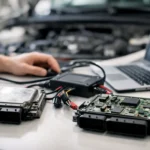
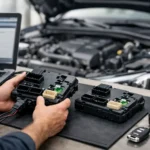
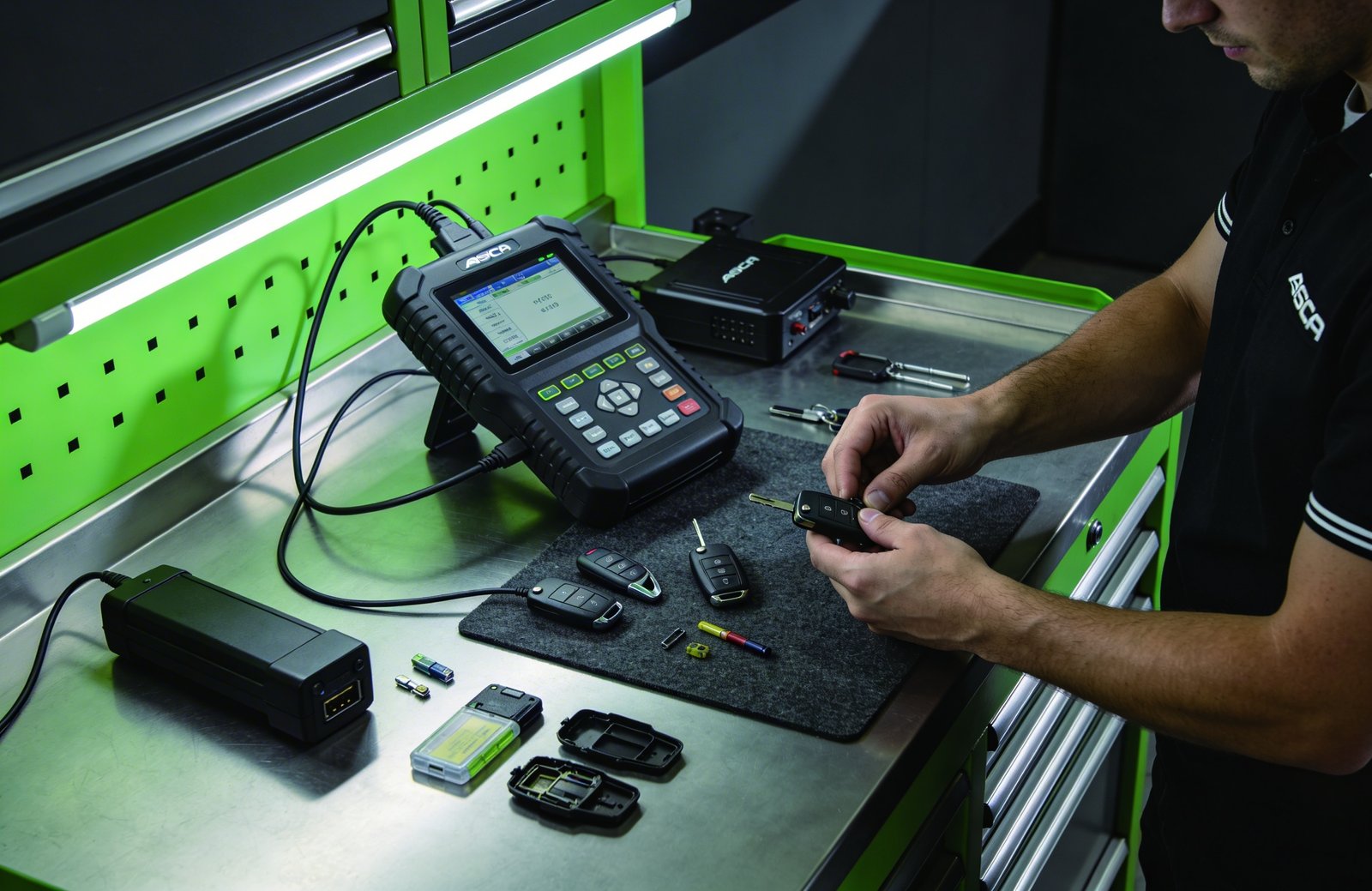
The repair process is not just a case of plugging in a scanner and clearing codes. If the FRM software has crashed or become corrupted, the module often needs to be read and recovered using specialist tools on the bench, then checked and, where needed, coded back correctly to the vehicle.
If there is hardware damage inside the module, that may involve component-level electronics work. If the fault sits outside the module, such as a power supply issue, poor earth, damaged wiring or water ingress elsewhere in the car, that needs identifying too. Otherwise, even a repaired module can fail again.
That is why a proper service should start with diagnosis rather than assumption. The symptoms may look like a dead FRM, but the cause can still be external.
Why dealer replacement is not always the best answer
Main dealers often follow a replace-first route, and in fairness that suits their process. It is quick from a parts-and-labour point of view, and they are generally working to manufacturer procedures. The downside for the customer is cost.
A repair specialist looks at whether the module can be saved first. That can mean a much lower bill and a quicker turnaround, especially if the fault is a common FRM corruption issue rather than a completely destroyed unit.
For trade customers, this matters even more. Garages and body shops do not want cars sitting around while expensive parts are ordered if a recoverable module can be repaired and returned to service promptly.
What owners should do before booking a repair
If your BMW is showing FRM-related symptoms, avoid repeated jump starts, random battery disconnections and guesswork part swapping. Those steps can muddy the picture and sometimes make the job harder.
It helps to note exactly what is and is not working. Are both windows affected or just one side? Are the headlights stuck on, or are they dead? Did the issue begin after the battery went flat? Those details can speed up diagnosis.
If the car is booked into a specialist, mention any recent electrical work, accident damage or battery issues. A short bit of background often saves a lot of time.
A practical option for local drivers and trade customers
For people who rely on their car every day, convenience matters almost as much as cost. If the vehicle has lighting or window faults, getting it recovered to a dealer is a nuisance on top of the actual fault.
That is where a mobile specialist service can make a real difference. For customers in and around County Durham, a business like Key Crafters can assess module faults, advise on the likely repair route and help avoid unnecessary replacement costs. The same applies to local garages that need dependable support with BMW electronic module issues without tying up workshop time.
The important thing is having someone who understands both the vehicle electronics and the practical side of getting the job done properly.
Choosing the right specialist for BMW footwell module repair
Not every auto electrician or locksmith handles module-level work. If you are comparing services, look for someone with proven experience in automotive electronics, BMW systems and coding, not just general diagnostics.
You also want a clear answer on process. Will the module be tested properly? Are they repairing your original unit where possible? Can they deal with coding if needed? Do they support trade work as well as private owners? Straight answers here usually tell you a lot.
Price matters, but so does accuracy. A cheap quote is not much use if the fault is misdiagnosed and the car still has the same problem next week.
Is BMW footwell module repair worth it?
In a lot of cases, yes. If the module is recoverable, repair is often the most cost-effective way to restore normal operation without going down the expensive replacement route. It can sort faults affecting windows, lights, mirrors and indicators while keeping the original module in place.
There is a catch, though. The best outcome depends on proper diagnosis. If the underlying issue is a failing battery, water ingress or damaged wiring, that needs addressing alongside the module itself. A good repair fixes the cause, not just the symptom.
If your BMW has started showing the usual FRM signs, do not assume the worst and do not rush into replacement. A calm, proper assessment usually gives you the clearest path back to a car that works as it should.