A warning light after accident repairs is frustrating enough. Finding out the airbag module has stored crash data and may not clear with a standard diagnostic tool is where many owners, garages and body shops hit a wall. That is exactly where an airbag crash data reset becomes relevant – not as a shortcut, but as a specialist repair step when the module hardware is still serviceable and the rest of the safety system has been properly checked.
What an airbag crash data reset actually means
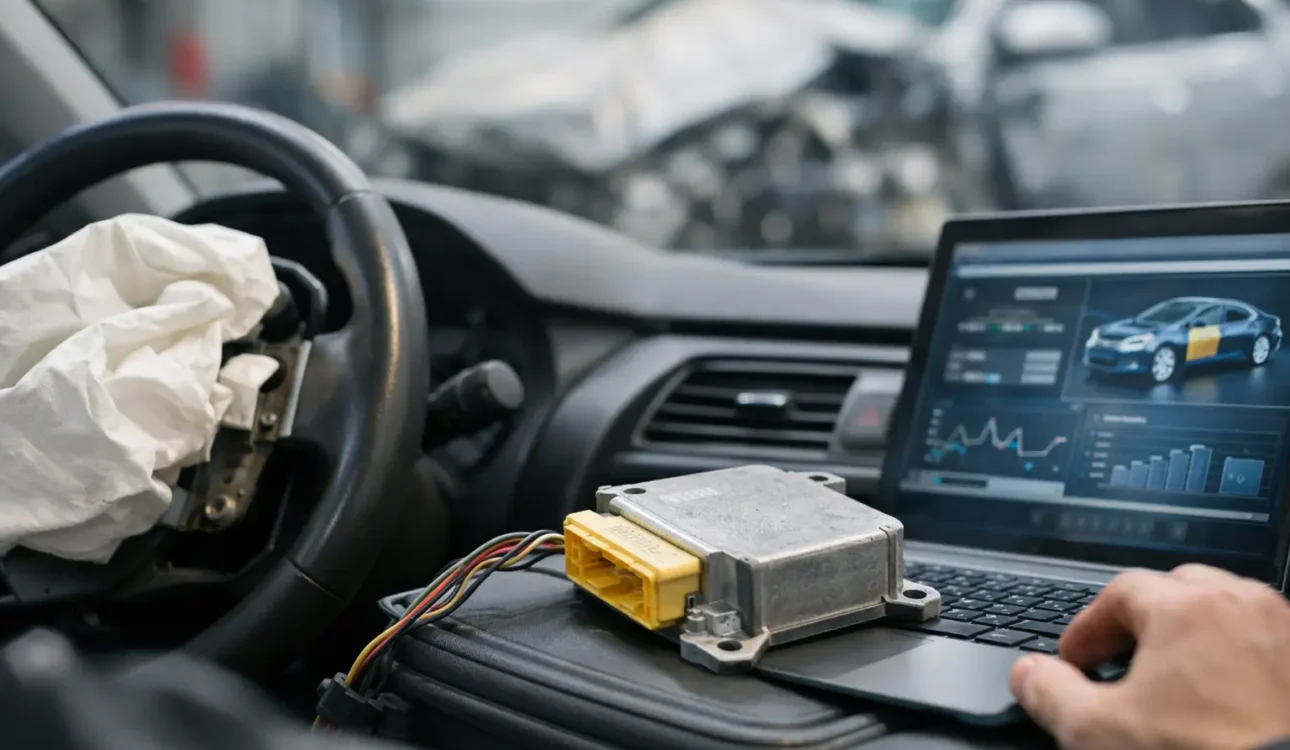
When a vehicle is involved in a collision, the airbag control module can record impact data and lock certain fault states into memory. In many cases, this is deliberate. The system is designed to treat a crash event seriously, and simply clearing codes with a scanner often will not return the module to usable condition.
An airbag crash data reset is the process of removing that stored crash event data from the module so it can be reused, provided the unit is suitable for reset and the vehicle has been repaired correctly. That usually involves specialist bench work rather than plugging in a basic handheld machine and pressing clear.
This is where there is often confusion. Crash data reset is not the same as ignoring faults, bypassing safety systems or masking warning lights. If seat belt pretensioners have fired, wiring is damaged, sensors are faulty or the module itself has suffered internal failure, those issues still need proper diagnosis and repair.
When a reset may be possible – and when it may not
Not every airbag module can or should be reset. It depends on the vehicle, the severity of the impact, the make of module and whether the unit has sustained permanent internal damage.
In straightforward cases, the module has logged the event but remains electronically healthy. After the necessary components have been replaced and the vehicle has been inspected, the stored crash data can often be removed successfully. This can save a customer from the higher cost of sourcing, coding and fitting a brand-new control unit.
But there are limits. If the module casing is damaged, the circuit board is compromised, the unit has water ingress or the manufacturer has designed that version as effectively single-use after deployment, replacement may be the better route. There are also cases where the module can be reset, but another unresolved fault keeps the airbag light on. That is why a proper assessment matters.
Why garages and body shops use specialist support
For trade customers, airbag systems can be a bottleneck. A vehicle may be structurally repaired, painted, reassembled and nearly ready to hand back, only for the SRS warning light to stay on because the control module still contains crash data. At that point, the job stalls, workshop space is tied up and handover gets delayed.
Sending that module work to a specialist makes sense because it saves time and avoids guesswork. The right equipment can read, verify and process the unit correctly, and just as importantly, identify when reset is not the answer. That matters to independent garages and body shops that want a dependable result without adding another layer of expensive dealer involvement.
For retail customers, the same issue often appears after an accident repair or after buying a vehicle that has had previous damage. The owner may simply know the airbag light is on and that a local garage has said the module needs specialist attention. Plainly put, that is not unusual.
Airbag crash data reset is only part of the repair
This is the bit that should never be glossed over. A reset is one stage in getting an SRS system back into proper working order. It is not the whole job.
If airbags have deployed, the related components normally need replacement as required by the vehicle and the nature of the impact. That can include airbags, seat belt pretensioners, crash sensors, belt stalks, wiring repairs, battery safety terminals or associated control units. The exact list varies by manufacturer and model.
Even without visible deployment, stored faults can come from damaged loom sections, poor repairs, connector issues under seats or voltage-related problems. Clearing the module without addressing the cause will not fix the system. In some cases, it can make diagnosis harder because the recorded event data was part of the picture.
The right order is simple. Repair the vehicle properly, inspect the safety system, assess the module, then carry out the reset if appropriate, followed by testing and code checks.
The cost question – reset versus replacement
The main reason people ask about this service is cost. Main dealer replacement of an airbag control module can be expensive once you factor in the unit itself, coding, fitting and the time involved. On some vehicles, especially when parts are on back order or dealer programming is required, the bill climbs quickly.
A reset can be a more economical option where the original module is suitable for reuse. It also helps keep the repair moving. For a body shop, that can mean getting a customer vehicle out of the workshop sooner. For a private owner, it can mean avoiding a large bill on top of existing accident repair costs.
That said, cheapest is not always best. If a module is borderline, damaged or from a vehicle with wider electrical issues, forcing a reset route can create more trouble later. A straight answer is better than a cheap answer that does not last.
Why correct handling matters
Airbag control modules are sensitive electronic units. Removing, packaging and testing them needs care. Poor handling can cause communication faults, casing damage or connector issues that were not there to begin with.
There is also the legal and practical side. Safety systems are not an area for guesswork, coded bypasses or second-rate repair methods. The work should be carried out by someone who understands both the electronics and the real-world repair context. That means knowing when a reset is appropriate and when to advise replacement or further diagnosis instead.
For trade customers, that judgement is part of the value. You do not just need someone who can process a file. You need someone who understands what happens in the workshop when the module goes back in the car and the system is tested.
Common misunderstandings around airbag crash data reset
One common assumption is that if the airbag light is on after a crash, the module is always the problem. Sometimes it is, sometimes it is not. A stored deployment record may be only one fault among several.
Another misunderstanding is that a reset guarantees the light will go out. It does not, unless the rest of the SRS system is healthy. If there is a damaged pretensioner, faulty occupant sensor or broken wiring, the warning light will remain until that issue is sorted.
There is also the idea that fitting a used module is always easier. In reality, used units can bring coding issues, compatibility problems and unknown history. Depending on the vehicle, keeping the original unit and resetting it can be the cleaner option.
What to expect from a proper service
A proper service should start with the basics: what vehicle it is, what happened, whether airbags or pretensioners fired, what parts have been replaced and what fault codes are present. That information matters because it helps decide whether reset is likely to be viable.
From there, the module can be assessed and processed using the right equipment. Once returned and refitted, the vehicle should still be checked with diagnostics to confirm the module communicates correctly and that no active SRS faults remain.
For garages and repairers, that means fewer delays and a clearer path to handover. For vehicle owners, it means a practical alternative to full module replacement when the original unit is a good candidate.
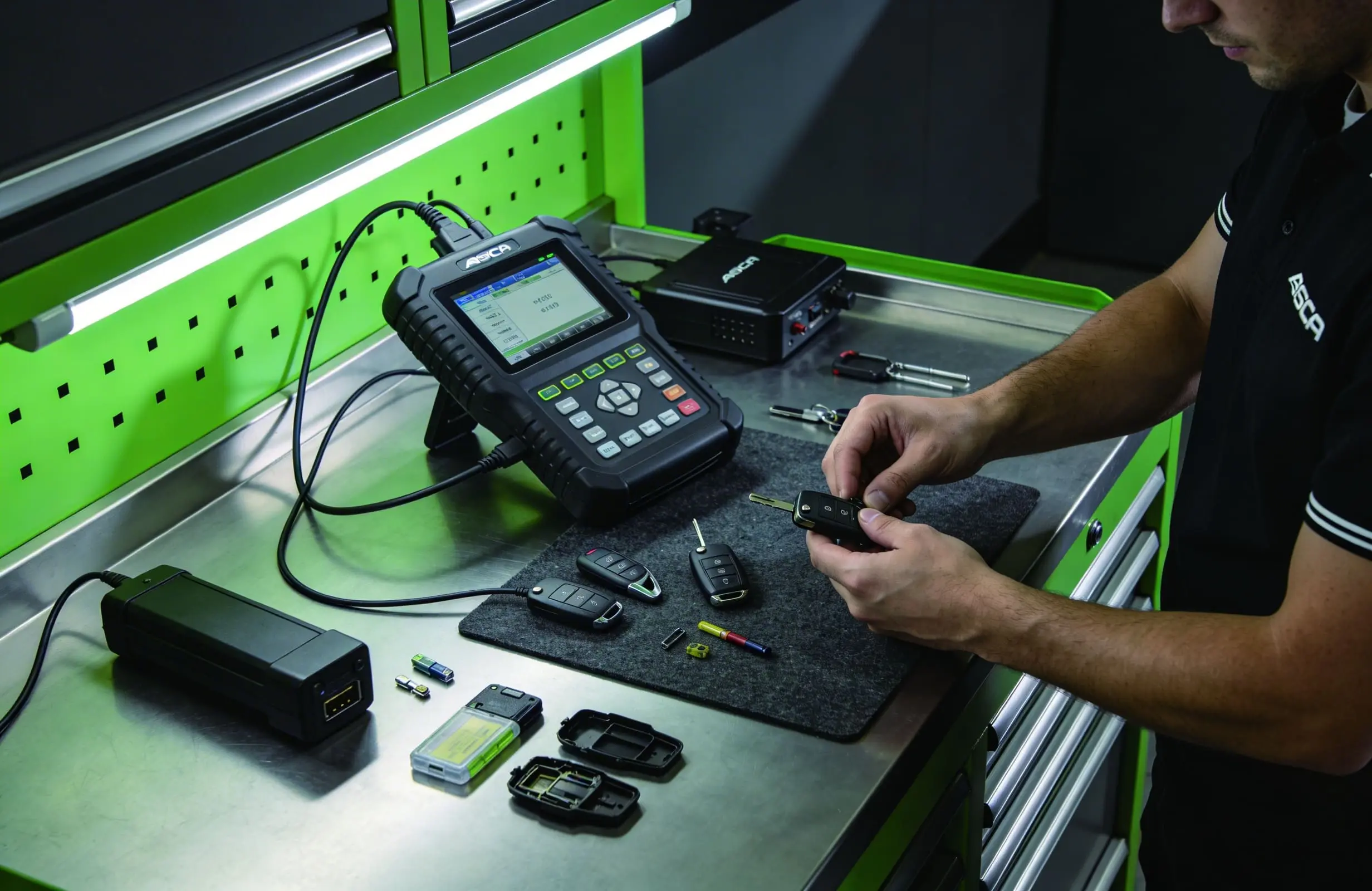
At Key Crafters, this kind of work sits alongside broader vehicle electronics support, which is why it is approached as a repair problem rather than a one-button fix. That difference matters when time, cost and safety are all on the line.
Is reset the right choice for your vehicle?
It depends on the vehicle, the crash, the module type and the quality of the repair already carried out. In many cases, an airbag crash data reset is a sensible and cost-effective option. In others, replacement is the safer and more reliable route.
The best starting point is not to assume either way. Get the faults identified properly, have the module assessed, and work from the actual condition of the system rather than guesswork. If the unit is suitable, a reset can save time and money. If it is not, knowing that early saves wasted labour and repeat visits.
When an airbag light is the last thing keeping a vehicle off the road, clear advice is worth more than clever sales talk. Get the system checked properly, fix what needs fixing, and then choose the route that puts the vehicle back into service for the right reasons.