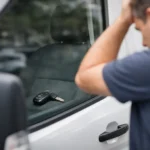
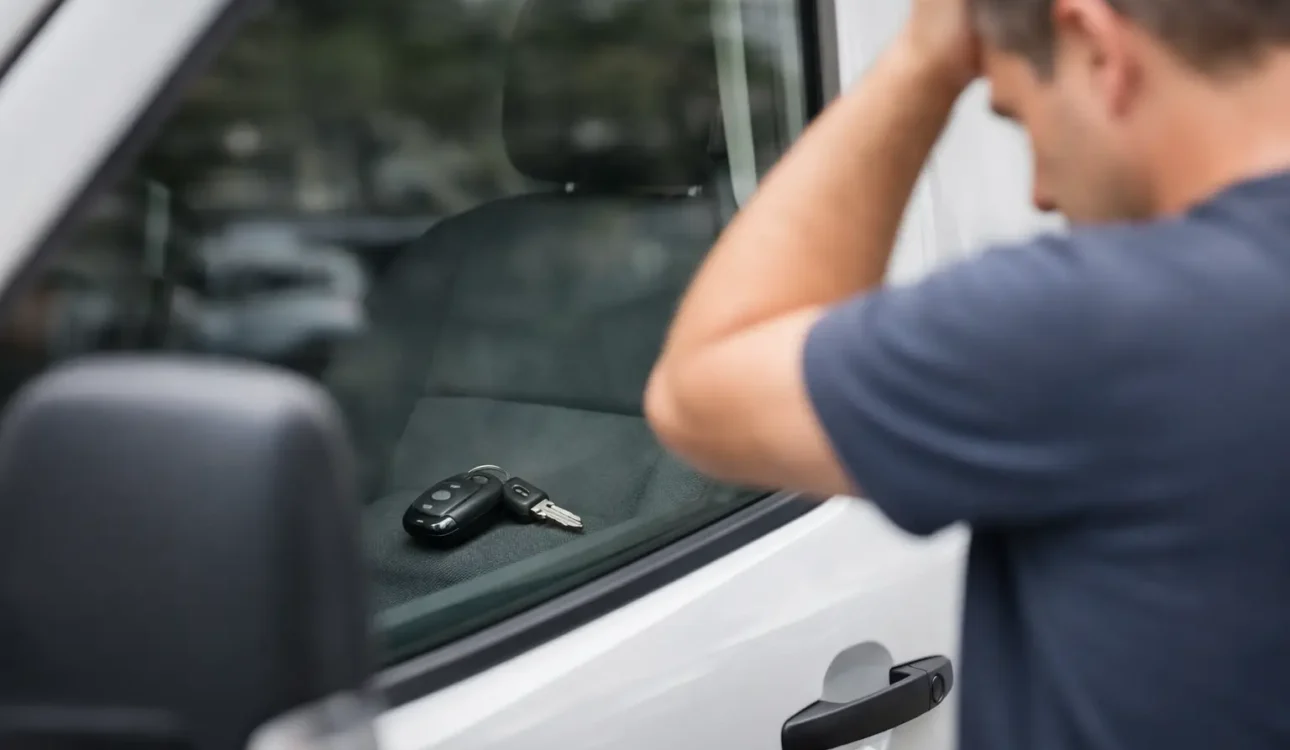
If you have locked keys in van at the start of a working day, you do not need a lecture – you need a clear plan. Whether the van is loaded with tools, stock or parcels, every minute off the road costs money. The good news is that most van lockouts are fixable on-site without damage, but what happens next depends on the vehicle, the key type and how the van was locked.
First things first when you’ve locked keys in van
Start with the obvious, but do it properly. Check every door, including the side loading door and rear doors, not just the driver’s door. On some vans, one opening may not have deadlocked even when the cab is secure. If the van has split locking or selective unlocking, there may be one access point still available.
Then stop and think about the key itself. Is it actually inside the van, or is it missing altogether? That sounds basic, but in a rush it is easy to assume the key is on the seat when it has slipped into a pocket, fallen into a tool bag or been left at the last job. If you have a spare key at home, at the office or with a colleague, compare the wait time and travel time before calling anyone out.
If the van is running and the doors have locked with the engine on, treat it as more urgent. Apart from the obvious fuel waste and security risk, some vehicles can escalate from a straightforward opening job into a more complicated situation if battery voltage drops or the system times out.
What not to do
The expensive part of a van lockout is often not the lockout itself. It is the damage caused by trying to force entry.
Coat hangers, screwdrivers, wedges from the shed and random internet tricks can leave you with bent door frames, torn weather seals, scratched paint and damaged latches. On newer vans, you also risk upsetting the lock mechanism, window regulator or alarm system. What looked like a quick fix can turn into a bodywork bill, water leaks and a van that never shuts quite right again.
There is also the security side. Commercial vans are built with theft prevention in mind, and many modern systems are far less forgiving than older vehicles. Deadlocks, shielded linkages and smarter immobiliser systems mean brute force rarely saves time. It usually just makes the job messier.
Why van lockouts are not all the same
A small city van and a late-model long wheelbase work van can present very different problems. The age of the vehicle matters, but so does the type of key and locking system.
Older vans with a basic mechanical blade key may allow a clean non-destructive entry through standard lock-picking methods, assuming the lock has not worn badly or been changed in the past. Newer vans often use remote keys, transponders, proximity systems and more heavily protected locks. Some have separate security arrangements for the cab and load area. Others react differently if the van was locked with the remote rather than the internal button.
That is why the right question is not simply, “Can you open it?” It is, “Can you open it safely, without turning one problem into three?”
When a mobile auto locksmith is the sensible option
If time matters, the key is definitely inside, and there is no easy spare key solution, a mobile auto locksmith is usually the quickest route back on the road. A proper vehicle locksmith is not just turning up with slim jims and guesswork. The work should be based on the van’s lock system, access method and what happens after entry.
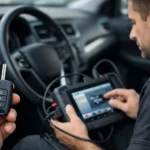
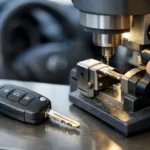
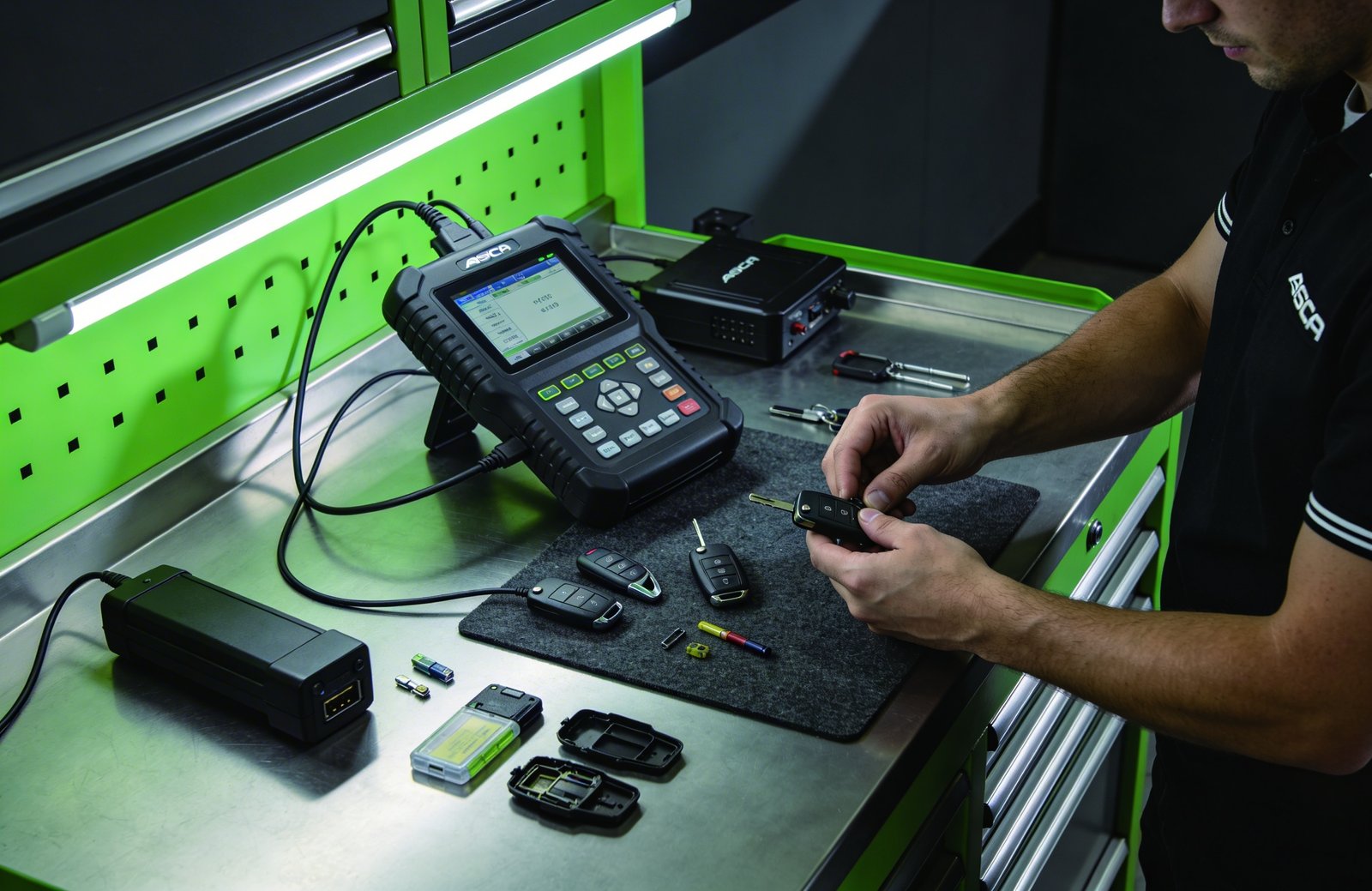
That last bit matters more than many people realise. If the only key is visible inside the van, gaining entry may be enough. But if the key has been lost, damaged, waterlogged or the remote has failed, you may need more than opening the door. You may need a spare key cut and programmed, fault diagnosis or, in some cases, an all-keys-lost solution.
For working vans, having somebody who understands both entry and key programming saves time. It avoids the familiar pattern of paying one person to open the van and another to sort the actual key problem.
What a locksmith will usually need from you
The process is normally straightforward. Expect to be asked for the registration, make, model, location and a brief description of what happened. Be honest if you have already tried to get in, because prior attempts can affect the best entry method.
You should also be ready to show proof that the van is yours or that you are authorised to use it. That protects everybody. A reputable operator will not skip that step just because the job feels urgent.
If you can tell them whether the key is visible inside, whether the spare exists, and whether the van is deadlocked, that helps narrow down the approach before arrival.
Can all vans be opened without damage?
Often, yes. Always, no.
Most professional lockout work aims for non-destructive entry, and that is the right standard to expect. But there are trade-offs. If a lock is already damaged, the vehicle has had previous poor repairs, or the security system is unusually resistant, the cleanest solution is not always the easiest one. A good locksmith should explain the options before doing anything irreversible.
This matters particularly with commercial vehicles that have seen hard use. Van door locks can wear, linkages can stiffen, and aftermarket security additions can complicate access. The best result comes from experience, not from forcing a method that worked on a different model last week.
The hidden cost of a van off the road
For many drivers, a lockout is not just an inconvenience. It is a lost morning’s work, delayed jobs, missed deliveries and customers waiting for a time slot that has now gone. If your tools are inside, the whole day can stall.
That is why the cheapest fix on paper is not always the cheapest in practice. Waiting half a day for the wrong solution, or damaging the van trying to save a call-out fee, can cost more than getting the right help first time. For sole traders and fleet operators alike, downtime tends to be the bigger problem.
Preventing the next locked keys in van moment
Once you are back in, it is worth dealing with the cause rather than putting it down to bad luck. In van work, lockouts usually happen for predictable reasons: rushing between jobs, leaving the key on the seat while unloading, relying on one worn remote, or assuming the van will not auto-lock.
A spare key is the obvious answer, but only if it is genuinely usable. A proper spare should be cut correctly, programmed where needed and stored somewhere sensible – not in the same bag as the main key. If you run a business with multiple drivers, key control matters as much as the spare itself. Confusion over who has which key causes a surprising number of “lockouts” that are really handover problems.
It is also worth paying attention to flaky remotes, sticky door locks and keys that need a jiggle to work. Those little signs often show up before a bigger failure. Sorting them early is usually cheaper than waiting until the van is inaccessible on a wet Tuesday morning with a full diary.
One-off emergency or sign of a bigger issue?
Sometimes you simply shut the door with the key inside. Fair enough. But repeated lockouts can point to a fault.
If the remote intermittently fails, the battery in the key may be weak, the key may be damaged, or the vehicle may have an underlying locking or module issue. If the central locking behaves oddly, one door does not respond properly, or the van deadlocks unexpectedly, there may be a fault beyond the key itself. On newer vehicles especially, lockouts and key problems are not always separate issues.
That is where specialist automotive knowledge makes a difference. A van that needs access today may also need a properly programmed spare, lock diagnosis or electronic repair work to stop the same problem coming back.
Getting help quickly without making it worse
If your van is locked, your day has already been interrupted. The aim now is to keep the interruption small. Check the obvious, avoid forcing entry and get the right information ready before you call.
For drivers and trade customers in County Durham within around 15 miles of Crook, a mobile specialist like Key Crafters can come to the vehicle and deal with the problem where it sits, which is often the simplest route when time is tight. More importantly, the job can be handled with the right mix of practical lockout experience and key programming knowledge if the issue turns out to be more than a key on the seat.
A locked van feels like a disaster when you are standing outside it in the rain, but it is usually a solvable problem – and a calm, informed response is what gets you moving again fastest.