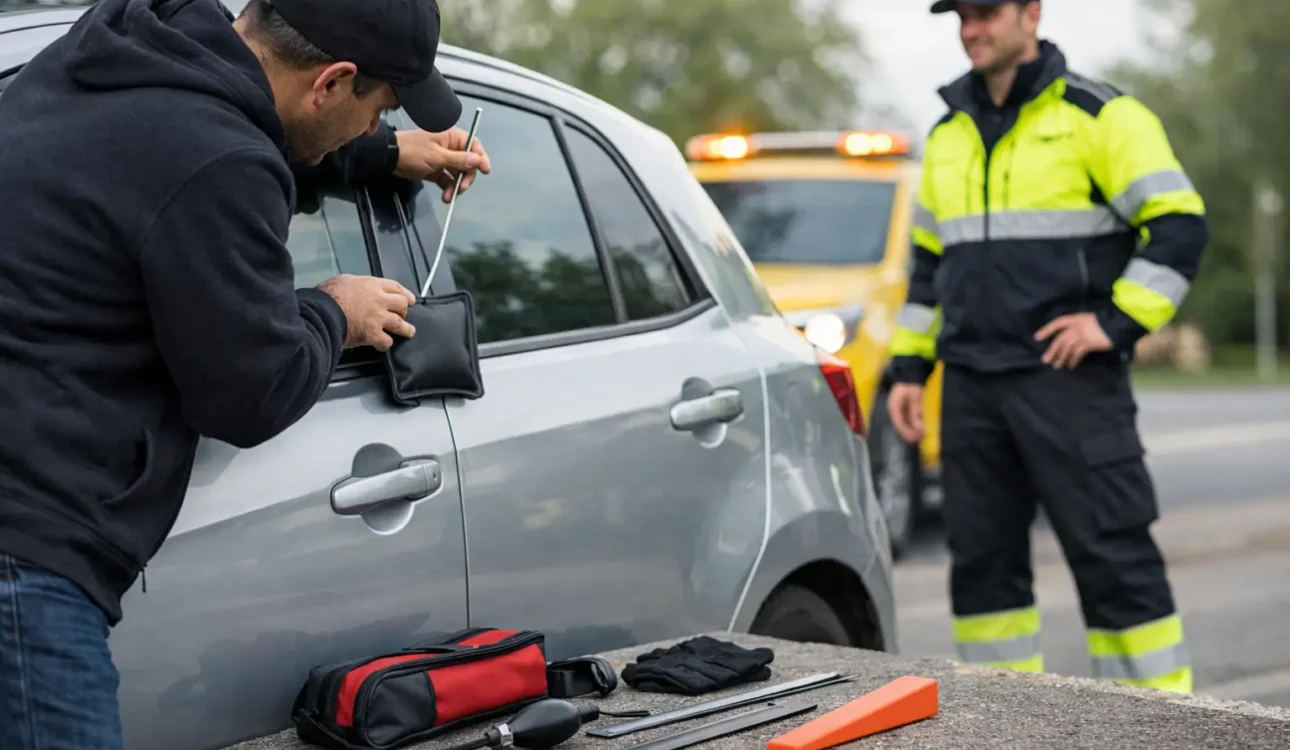
You do not realise how quickly a normal day can go sideways until your keys are sitting on the driver’s seat and the door clicks shut. If you are searching for how to unlock locked car door problems without turning a simple mistake into an expensive repair, the first thing to know is this – the safest method depends on the age of the vehicle, the lock design and whether the key is inside, lost or simply not working.
Modern cars are not as forgiving as older ones. Slim gaps, deadlocks, side-impact protection, alarm systems and sensitive electronics all make forced entry a bad gamble. What works on a twenty-year-old hatchback can damage the frame, airbags, weather seals or wiring on a newer car or van. That is why the right answer is rarely one trick that suits every vehicle.
How to unlock locked car door without causing damage
Start with the obvious checks before trying anything more involved. If one door will not open, try every other door, including the boot. Some vehicles leave one entry point available when another has failed. If you have keyless entry, check the battery in the fob if you have a spare battery handy. A flat fob battery can look like a lockout when the mechanical key blade would still get you in.
If your vehicle uses a hidden emergency key, remove it from the fob and try the driver’s door lock manually. Quite a few drivers forget that the metal key is there at all. If the lock feels stiff, do not force it. A lock that has not been used for years can seize, and too much pressure can snap the blade or damage the barrel.
If a child or pet is inside, or the engine is running in an enclosed area, stop reading and call emergency assistance straight away. In that situation, speed matters more than preserving convenience, and the risk calculation changes.
For everyone else, patience saves money. The quickest bad idea is usually a coat hanger, screwdriver or wedge from the kitchen drawer. These methods are all over the internet, but they are also behind a lot of bent door frames, torn seals and scratched paint. On some models, they can interfere with internal linkages or damage wiring in the door cavity.
The methods people try – and the trade-offs
There is a reason lockout videos make it look easy. The person filming often knows the exact vehicle, exact tool and exact entry point. Real-world jobs are less tidy.
Inflatable wedges and long-reach tools can work when used properly. They create a controlled gap at the top of the door so a tool can reach the internal handle, lock button or key. The problem is that controlled is doing a lot of work there. Too much pressure in the wrong place can distort the upper frame or crease the door edge. On vehicles with frameless windows, the risk is even higher.
The old shoelace trick only applies to certain upright pull-up locks, which many modern vehicles no longer have. Even when the lock style is right, it still needs enough space to loop the lace without damaging the weather strip. It is more theory than solution for most current cars.
Slim jims are another example. People hear the name and assume it is a universal answer. It is not. On older cars, a trained operator could sometimes manipulate internal rods safely. On many newer vehicles, there are shields, cables, sensors and side-airbag components in the way. Using one blind can create a bigger bill than the original lockout.
Picking the lock is possible on some vehicles, but again, not all. Automotive locks vary widely, and many are designed to resist basic picking. Add wear, corrosion or a damaged barrel, and it becomes less straightforward than most people expect.
When the lockout is not really a lockout
Sometimes the door is locked, but the real fault sits elsewhere. We see this with failed remotes, damaged keys, worn ignitions, dead batteries and vehicle modules that stop the central locking from behaving as it should.
If your key turns in the lock but nothing happens, or the remote stopped working gradually rather than all at once, there may be an issue with the key itself or the car’s locking system. Body control modules, steering locks and door modules can all play a part on newer vehicles. In those cases, gaining entry is only the first step. The proper fix may involve diagnostics, key programming or module repair.
That matters because a rushed entry attempt can destroy useful evidence. If a barrel is already weak, forcing it may take a repairable fault and turn it into a full replacement. If there is an electronics issue, repeated failed attempts can trigger security lockouts on some systems.
What a specialist does differently
A proper vehicle entry service is not just about opening a door. It is about doing it with the least risk to the vehicle. That means identifying the lock type, understanding the door construction and choosing the method that suits that exact make and model.
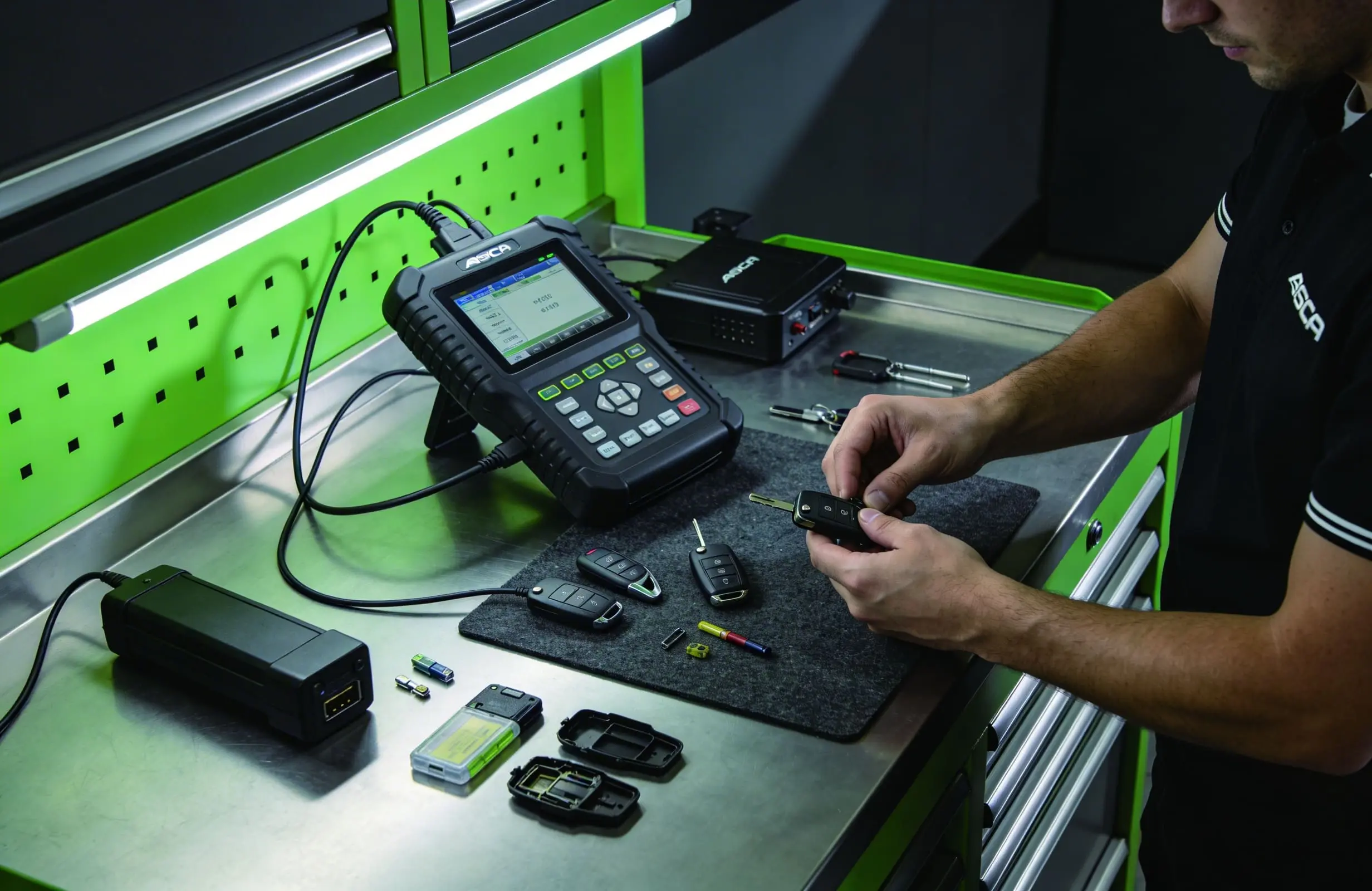
A trained auto locksmith will usually check whether non-destructive entry is possible first. That may involve decoded lock work, specialist access tools or safe manipulation of the locking system. If the keys are lost rather than locked inside, the job can move from entry into key generation, cutting and programming. For many motorists, that is the difference between one visit and a drawn-out dealership process.
On some vehicles, especially BMW, VAG and other systems with more involved security or electronics, experience matters. The car may need more than a simple opening tool. It may need diagnostics, module knowledge or key data handling to get the vehicle properly back into service.
How to unlock locked car door issues on modern cars
If your vehicle is less than ten years old, assume there is more going on behind the trim than there used to be. Door-mounted airbags, comfort modules, anti-theft deadlocks and tighter body tolerances all raise the stakes.
Deadlocking is one of the main reasons DIY methods fail. When deadlocked, the interior handle and lock button may not release the door even if you can physically reach them. Owners then keep pulling and prodding, convinced they are close, while the car is doing exactly what it was designed to do.
Keyless systems create another layer of confusion. If the key is in the boot, inside a metal bag, or the fob battery has failed, the car may not recognise it as expected. Some models prevent locking the key inside, but not all do so consistently, especially if a spare key is involved or the battery condition is poor.
If you have roadside cover, it is worth checking what they actually include. Some patrols can assist with entry, while others will only attend if they can confirm it can be done safely. If the job needs automotive lock tools or key programming, they may still refer you on.
What to do while you wait for help
Stay with the vehicle if it is safe to do so. Check your surroundings, especially if you are parked in a live lane, a poorly lit area or on private premises with access restrictions. If your phone battery is low, send your location to someone straight away.
Have the registration, make, model and year ready if you know them. Mention whether the keys are visible inside, whether the spare key is available, and whether the alarm is sounding or the battery is flat. Those details help the attending locksmith prepare the right kit before setting off.
If you are a trade customer dealing with a customer vehicle, be clear about ownership and authorisation. Good operators will want to protect both you and themselves by confirming they are working on the right vehicle with permission.
Preventing the next lockout
Most lockouts come down to routine, not bad luck. A spare key kept at home is useful, but a spare that can reach you quickly is better. For vans used by tradespeople, it also makes sense to think about where the keys go during loading and unloading, because that is one of the most common moments for an accidental lock-in.
Replace weak fob batteries before they fail completely. If the mechanical key has never been used, try it before you need it, gently and with care. If it is stiff or does not operate smoothly, get it checked before it becomes a problem on a wet evening in a supermarket car park.
And if your locks, remote or central locking have been playing up, do not leave it until the day the car shuts you out. Small faults often give plenty of warning.
If you are stuck and unsure whether your car needs a simple entry job or something more technical, that is exactly the point to get proper help. The best lockout is the one resolved without turning one problem into three. A calm, damage-free fix is always cheaper than repairing a bent door and a broken lock afterwards.