That moment when you realise you only have one working key tends to happen at the worst time – usually when you are already late, already stressed, or already thinking, “I’ll sort that another day.” Spare car key programming is one of those jobs that feels optional until it suddenly is not. Once the only key is lost, damaged or locked inside the car, the job usually gets slower, more complicated and more expensive.
A properly programmed spare is not just a cut piece of metal with buttons on it. On most modern vehicles, it needs to match the car’s immobiliser system, and in many cases the remote locking functions too. That means the car has to recognise the key electronically, not just mechanically. If it does not, the blade may turn in the ignition or the fob may unlock the doors, but the engine still will not start.
What spare car key programming actually means
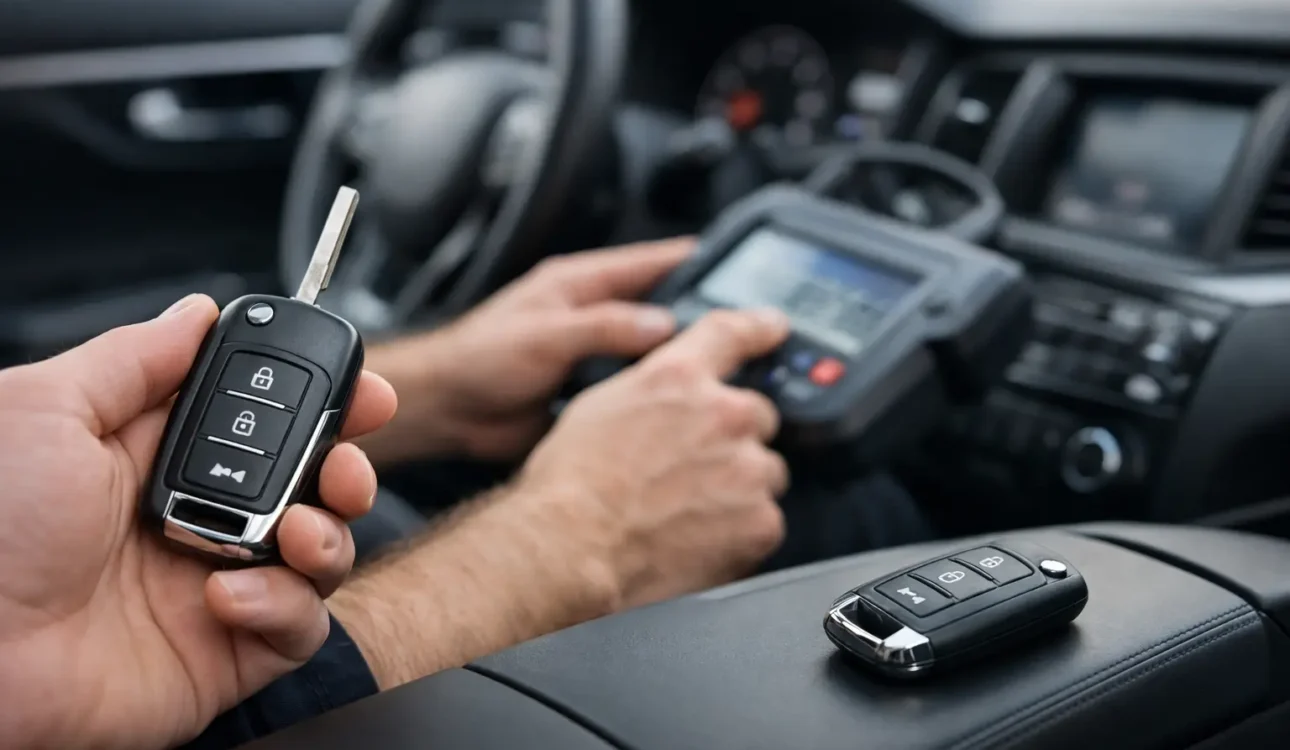
Modern vehicle keys are really a few systems rolled into one. There is the physical blade, the remote locking section and the transponder chip that talks to the immobiliser. Spare car key programming usually refers to pairing that transponder, and sometimes the remote functions, to the vehicle so it will start and operate properly.
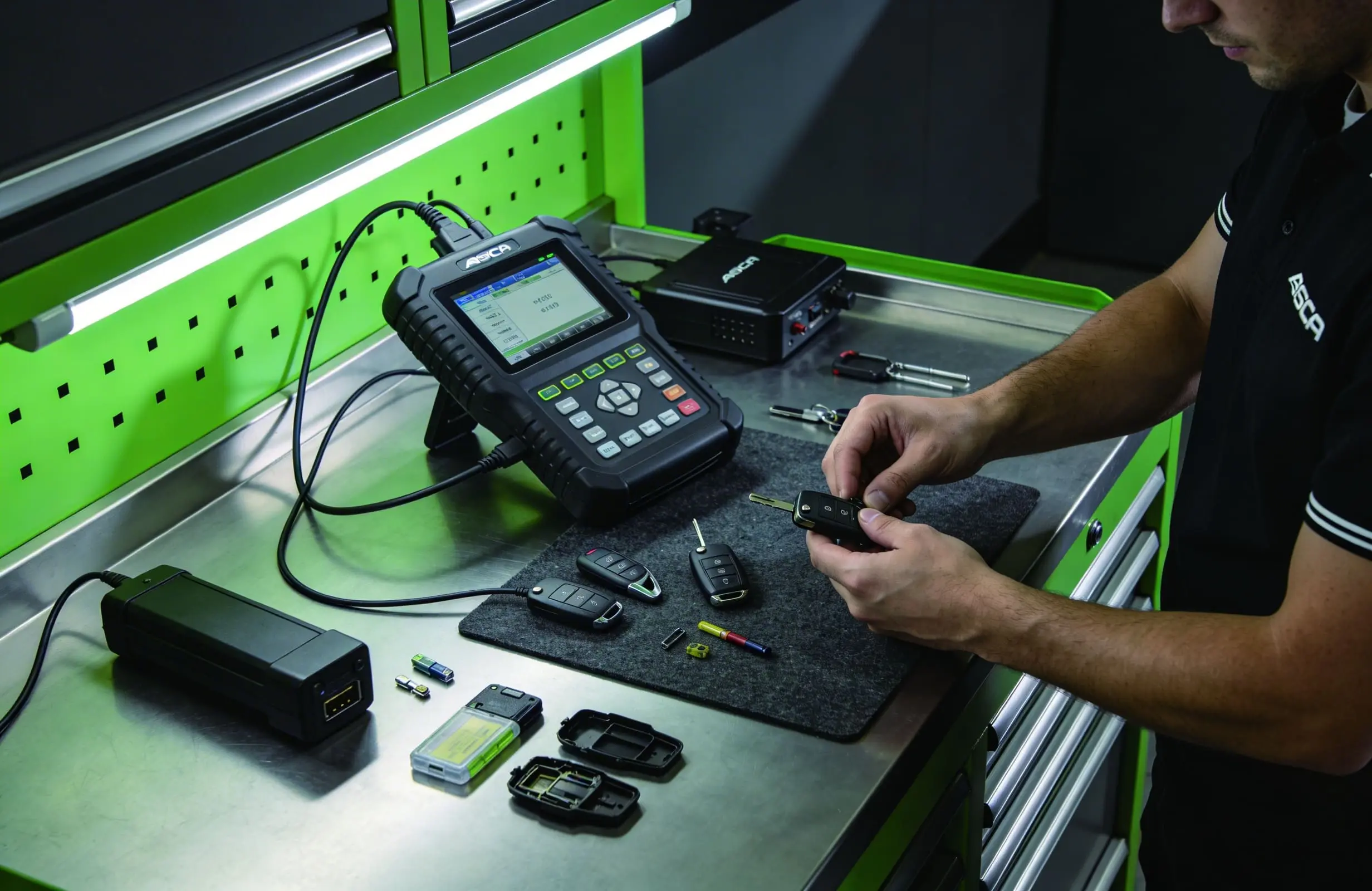
The exact process depends on the make, model and year. Some older cars are fairly straightforward. Many newer ones are not. Push-button start systems, proximity keys and higher-security vehicle platforms often need specialist diagnostic equipment, security access and a clear understanding of how that particular manufacturer handles key data.
This is why two keys that look almost identical on the outside can be completely different jobs underneath. One might be a quick add-on key. The other might involve secure PIN retrieval, module communication or dealing with faults already present on the vehicle.
Why getting a spare key done early matters
If you still have one working key, you are in the best position to sort it. The vehicle can usually be read in a normal way, the existing key can often help with the programming process, and the job tends to stay within the simple end of the scale.
Leave it until all keys are lost and the situation changes. Now the vehicle may need more involved access, additional decoding work or a different programming route altogether. On some vehicles, all-keys-lost recovery can still be done efficiently, but it is rarely the cheaper option compared with making a spare while one key is still available.
There is also the practical side. Households that share a car, tradespeople running vans, and anyone who depends on their vehicle for commuting all feel the pain quickly when only one key exists. A spare saves arguments, downtime and the familiar panic of checking every coat pocket in the house.
Not all key problems are really programming problems
A common mistake is assuming every faulty key needs reprogramming. Sometimes the issue is simply a dead battery in the fob. Sometimes the remote buttons have failed but the transponder still starts the car. Sometimes the key shell is worn, the blade is damaged or the ignition barrel has its own problem.
At the other end of the scale, the key may be fine but the vehicle is not accepting it because of an immobiliser, BSI, BCM or steering lock fault. That matters, because replacing and programming another key will not fix a car with a deeper electronic issue.
This is where proper diagnosis earns its keep. A decent auto locksmith does not just turn up with blank keys and hope for the best. The first job is confirming whether the fault sits with the key, the vehicle, or both.
When a mobile auto locksmith makes more sense than the dealer
For many drivers, the main dealer feels like the default option. Sometimes it is the right route, especially for very new vehicles, warranty-sensitive cases or brands with tightly controlled security systems. But plenty of spare key jobs do not need a dealer visit, and the dealer route is often not the quickest or most economical.
A mobile specialist can usually come to the vehicle, cut and programme the key on site, and deal with common issues there and then. That saves towing costs, workshop booking delays and the hassle of getting a non-starting vehicle moved. For van owners, families and busy trade customers, convenience matters just as much as cost.
There is also the technical reality that some independent specialists are working with the same level of diagnostic depth, or better, than a general workshop. Especially on brands known for key and module issues, experience counts for a lot. The right equipment matters, but knowing what the vehicle is likely to do next matters more.
What affects the cost of spare car key programming
People understandably want a quick price, but there is no honest flat answer that covers every car. The cost of spare car key programming depends on the vehicle itself more than anything else.
Older manual-blade keys with a basic transponder are usually simpler. Flip keys, smart keys and proximity systems are usually more involved. Some vehicles allow straightforward key addition. Others require secure coding procedures, pre-coded keys or manufacturer-specific steps. Premium German vehicles, certain VAG platforms and some BMW systems can be more technical than the average small hatchback.
Condition also affects the job. If the vehicle battery is weak, modules are throwing communication faults, or there is existing damage to the locking or ignition system, what should have been a simple spare key visit can turn into a fault-finding job. That does not mean the vehicle is beyond help – only that the price and approach need to reflect the real issue.
Spare keys for cars and vans are not one-size-fits-all
Commercial users often feel key problems harder than private motorists. A missing van key can stop work for the day. A fleet vehicle with only one key is a risk waiting to turn into downtime. For garages and body shops, delays in key programming can also hold up handover dates and workshop space.
That is why a practical approach matters. The best solution is not always the most expensive key or the flashiest remote. Sometimes a fully functioning remote spare is the right answer. Sometimes a reliable non-remote spare for backup makes more sense. It depends on how the vehicle is used and how quickly it needs to be back in service.
Trade customers also tend to value something else – knowing when a key issue is really a module issue. If a vehicle has suffered electrical damage, accident-related faults or water ingress, the key may be only part of the story. In those cases, key programming and electronic module work often overlap.
Why specialist knowledge matters on modern vehicles
Vehicle security is tighter than it used to be, and that is generally a good thing. The downside is that key programming now sits alongside coding, immobiliser data, module synchronisation and anti-theft systems that can behave differently across brands.
On some vehicles, a straightforward spare key can be added in minutes. On others, the process may involve reading security data, working with the BCM or CAS system, or identifying why a previously working key has dropped out of synchronisation. BMW, Mercedes and many VAG vehicles are common examples where brand-specific experience saves time and avoids guesswork.
That is one reason businesses like Key Crafters are increasingly asked to handle both key work and related electronic faults. If the car has a steering lock fault, module issue or immobiliser communication problem, you want someone who can see the bigger picture rather than simply ordering another key and hoping it cures everything.
How to know when to get it sorted
If you have one key left, get a spare done before that key becomes worn, snapped, water-damaged or lost. If your remote only works intermittently, the buttons have become unreliable or the casing is held together with tape, do not wait for total failure. If you have bought a used vehicle with one key, that is usually reason enough to act.
The same applies after repairs. If a car has had ignition work, module replacement, accident repair or electrical fault diagnosis, it is worth confirming the key system is healthy and that you are not relying on the last surviving original. For anyone running a van, pool car or business vehicle, one key is really no key at all.
A spare key is one of those jobs people put off because the car still starts today. Fair enough. But when the only key stops working tomorrow, the cheap, easy option has already gone. Getting ahead of it is usually the calmer, simpler move.
If you are thinking about it now, that is probably the right time to sort it – while the vehicle is running, the pressure is low, and the job is still just a spare.